
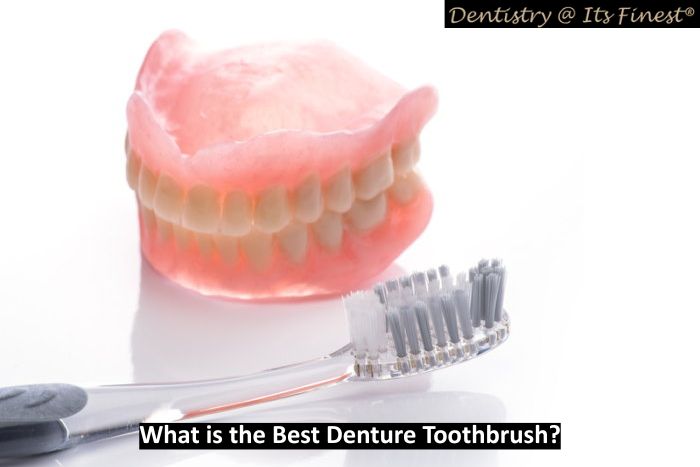
The best toothbrush for dentures is a denture brush. It is built specifically for cleaning removable dental appliances, with firmer bristles that scrub acrylic surfaces without causing damage. Unlike regular toothbrushes, which are shaped for natural teeth and gums, denture brushes have two heads. One is flat for cleaning broad surfaces, and the other is tapered for reaching tight crevices. This design allows for more thorough cleaning, especially in areas where food and plaque tend to collect. The handle is usually thicker and easier to grip, which makes it more practical for older adults or anyone with limited hand strength. Denture brushes offer the right balance of control, durability, and cleaning power, making them the most effective choice for maintaining denture hygiene.
What Kind of Toothbrush is Best for Dentures?
The kind of toothbrush that is best for dentures is a denture brush. Unlike regular toothbrushes, which are designed for natural teeth and gum surfaces, denture brushes have dual heads and firmer bristles that clean the acrylic material more effectively. They reach into crevices and remove food particles and plaque without scratching the surface. Electric toothbrushes can help with overall oral hygiene, especially for natural teeth and gums, but they often lack the shape and bristle strength needed for thorough denture care. Denture brushes are built specifically for the task, making them the most reliable choice for keeping dentures in costa mesa clean, odor-free, and in good condition.
What is the Difference between a Denture Brush and a Regular Toothbrush?
A denture brush is a cleaning tool made specifically for removable dentures. It usually has two brush heads: one flat and wide for scrubbing the outer surfaces, and another angled or tapered to reach tight spots and grooves. The bristles are stiffer than those on a regular toothbrush, which helps remove plaque and food debris from the acrylic without damaging it. The handle is often thicker and easier to grip, especially for older adults or those with limited dexterity.
A regular toothbrush is designed for cleaning natural teeth and gums. It has a single brush head with soft to medium bristles arranged in rows, and a slim handle that fits comfortably in the hand. The bristles are gentle enough for enamel and gum tissue but are not shaped or firm enough to clean dentures thoroughly.
The denture brush is better suited for cleaning artificial dental surfaces. It reaches areas that a regular toothbrush cannot and provides the firmness needed to scrub away buildup. While a regular toothbrush works well for natural teeth, it falls short when used on dentures.
Denture Brush vs. Regular Toothbrush Comparison
| Feature | Denture Brush | Regular Toothbrush |
| Bristles | Firmer bristles designed to scrub acrylic surfaces without damage | Softer bristles meant for enamel and gums; less effective on denture material |
| Brush Heads | Dual heads: one flat for surfaces, one tapered for crevices | Single head with uniform bristle layout |
| Grip and Handling | Thick, ergonomic handle for better control, especially for older users | Slim handle; may be harder to grip for those with limited dexterity |
| Ease of Cleaning Dentures | Specifically shaped to reach under and around dentures | Not designed for denture contours; may leave buildup behind |
| Effectiveness | High for denture hygiene; reaches tough spots and removes debris efficiently | Moderate to low for dentures; better suited for natural teeth |
| Cost | Slightly higher; specialized tool | Lower; widely available and inexpensive |
| Durability | Built to withstand frequent scrubbing of hard surfaces | May wear out faster when used on dentures |
| Availability | Found in dental care sections or through dentists | Available in all general stores and pharmacies |
What should you consider when choosing a Denture Brush?
What you should consider when choosing a denture brush are the features that make cleaning effective, comfortable, and safe for your dentures.
Start with the bristle type. Firmer bristles work better for scrubbing acrylic surfaces, but they should not be so stiff that they scratch or damage the material. Look for dual brush heads. One flat head helps clean broad surfaces, while a tapered head reaches tight corners and grooves. Grip matters as well. A thick, ergonomic handle offers better control, especially for older adults or those with limited hand strength. The size and shape should match the contours of your denture so you can clean all areas without strain. Cost is usually modest, but durability varies, so choose a brush that holds up with daily use.
Some people prefer brushes with color-coded heads to separate cleaning tools for upper and lower dentures. Others look for travel-friendly designs that fit into compact cases. The right denture brush makes daily cleaning easier and helps extend the life of your dental appliance.
How to Clean Dentures with a Denture Brush?
To clean dentures with a denture brush, begin by removing them and rinsing off any loose food particles using lukewarm water. This helps clear surface debris before brushing.
Apply a non-abrasive denture cleanser. Do not use regular toothpaste, which can scratch the acrylic. Use the flat head of the denture brush to scrub the outer surfaces with short, firm strokes.
Switch to the tapered head to clean underneath the denture and reach into tight grooves. Focus on areas that contact your gums, since buildup there can cause irritation or infection.
Rinse the dentures thoroughly with clean water to remove any remaining cleanser. After cleaning, store them in a soaking solution or plain water to prevent drying and warping.
Can You Use an Electric Toothbrush on Dentures?
Yes, you can use an electric toothbrush on dentures, but it depends on the brush design and the type of denture. Electric toothbrushes with soft bristles may help clean partial dentures or natural teeth around them. For full removable dentures, they are less effective.
What is the Best Electric Toothbrush for Dentures?
The best electric toothbrush for dentures is one with soft bristles, adjustable speed settings, and a compact head. Models that allow gentle cleaning without scratching the surface are preferred. The electric brush handles natural teeth and gums, while the denture brush targets the appliance itself.
