
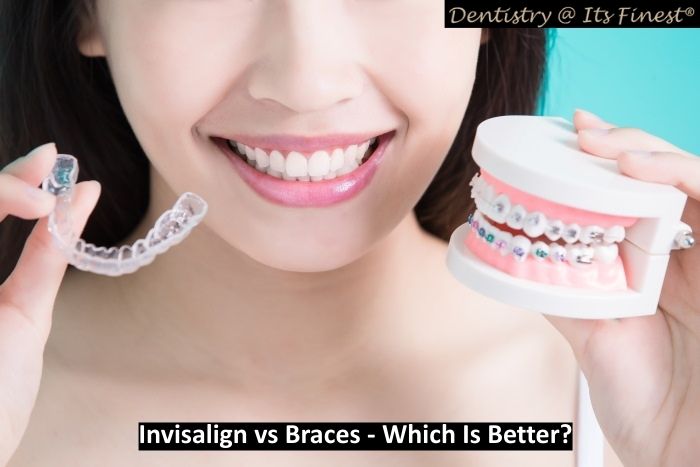
Invisalign and traditional braces both straighten teeth, but they differ in how they fit into your lifestyle and treatment needs. Invisalign uses a series of clear, removable aligners that gradually shift teeth into place. These trays are custom-molded and replaced every one to two weeks. Patients can eat freely and maintain oral hygiene without obstruction. The system is discreet and flUpdate now.exible, which makes it a popular choice for adults and teens. However, it requires consistent wear, typically 20 to 22 hours per day, and may not be suitable for severe misalignments or complex bite corrections.
Traditional braces rely on fixed brackets and wires that apply continuous pressure across the dental arch. Orthodontists adjust the system during regular visits, which allows precise control over tooth movement. Braces treat a wider range of cases and do not depend on patient discipline for effectiveness. They are durable and predictable but come with trade-offs such as visible hardware, food restrictions, and more involved cleaning routines. Choosing between the two means weighing aesthetics, convenience, and clinical complexity to find the option that best supports your long-term orthodontic goals.
What are the Pros and Cons of Invisalign vs Braces?
Invisalign offers a discreet and flexible approach to orthodontic treatment. Its clear, removable aligners allow patients to eat freely, brush easily, and maintain a natural appearance throughout the process. This makes it especially appealing to adults and teens who prioritize aesthetics and convenience. Fewer dental visits and no food restrictions add to its lifestyle compatibility. However, Invisalign requires strict discipline because aligners must be worn 20 to 22 hours daily to be effective. It may also be less suitable for complex cases involving severe misalignment or bite correction.
Traditional braces provide strong control and predictable results across a wide range of orthodontic issues. Fixed brackets and wires apply continuous pressure, allowing orthodontists to make precise adjustments during regular visits. Braces treat more complex cases and do not depend on patient compliance for effectiveness. They are durable and reliable but come with trade-offs such as visible hardware, food limitations, and more involved cleaning routines.
Invisalign vs Braces Comparison
| Feature | Invisalign | Traditional Braces |
| Appearance | Clear, nearly invisible aligners | Metal or ceramic brackets are visibly noticeable |
| Comfort | Smooth plastic trays with minimal irritation | May cause gum or cheek discomfort from wires |
| Treatment Period | 12 to 18 months | 18 to 24 months |
| Convenience | Removable for eating, brushing, and events | Fixed system requires in-office adjustments |
| Ease of Care & Cleaning | Easy brushing and flossing without obstruction | Requires floss threaders and bracket-specific care |
| Dental Visits | Fewer visits; aligners provided in advance | Regular visits for tightening and monitoring |
| Food Limitations | No restrictions; trays removed before eating | Avoid sticky, hard, or chewy foods |
| Effectiveness | Best for mild to moderate misalignments | Suitable for all levels of orthodontic correction |
| Cost (USD) | $3,000 to $7,000 depending on case complexity | $2,500 to $6,000 depending on |
How To Know whether Invisalign or Braces are best for me?
Deciding whether Invisalign or braces are best for you depends on your lifestyle, treatment goals, and the complexity of your dental case. If you’re wondering why Invisalign is better than braces, the answer often comes down to discretion, flexibility, and comfort. Invisalign aligners are nearly invisible, making them ideal for professionals or teens who prefer a subtle look. They can be removed for meals and brushing, which simplifies hygiene and allows you to maintain your usual diet. Fewer dental visits and less discomfort also make Invisalign a strong choice for those with busy schedules or sensitivity to metal hardware.
Braces may be the better option if your case involves severe misalignment, bite correction, or rotated teeth. Braces provide consistent pressure and do not rely on patient discipline, which ensures predictable progress. They are also more versatile in treating complex orthodontic issues. To know which system suits you best, consult your orthodontist and consider how each treatment fits your daily habits, aesthetic preferences, and long-term goals.
What is the Difference Between Invisalign and Braces?
Invisalign and traditional braces are both designed to straighten teeth and correct bite issues, but they differ in structure, visibility, and how they interact with daily routines. Invisalign uses a series of clear, removable aligners that gradually shift teeth into place. These trays are custom-fitted and nearly invisible, making them a preferred option for individuals who want a discreet treatment. Invisalign is effective for mild to moderate crowding, spacing, and bite irregularities. Because the aligners can be removed, patients can eat freely and maintain regular brushing and flossing habits without interference. This flexibility is a key reason many patients ask why Invisalign is better than braces.
Traditional braces use fixed metal or ceramic brackets connected by wires to apply continuous pressure. They are suited for a broader range of orthodontic issues, including rotated teeth, vertical misalignments, and complex bite corrections. Unlike Invisalign, braces do not rely on patient discipline and remain active throughout the day. While more visible and sometimes associated with initial discomfort, they offer precise control over tooth movement.
Is Invisalign Treatment Faster Than Braces?
Invisalign treatment can be faster than braces, but the timeline depends on the complexity of your case and how consistently the aligners are worn. For mild to moderate alignment issues, Invisalign often completes treatment in 12 to 18 months. The system uses a series of pre-designed trays that shift teeth incrementally, allowing for streamlined progress when patient compliance is high. Because the trays are changed every one to two weeks, movement can be more predictable in straightforward cases.
Braces, by contrast, typically require 18 to 24 months and are better suited for complex corrections such as rotated teeth, vertical shifts, or severe bite problems. They apply continuous pressure and don’t rely on patient discipline, which makes them more effective for multi-directional adjustments. While Invisalign may be faster for simpler cases, braces remain the more adaptable option when precision and control are essential.
How Much Is the Cost of Invisalign vs Braces?
The cost of Invisalign and braces depends on several factors, including case complexity, treatment duration, and provider pricing. Invisalign typically ranges from $3,000 to $7,000, while traditional braces fall between $2,000 and $6,000. The difference often reflects the materials used, the customization of aligners, and the digital planning involved in Invisalign treatment. For mild cases, the gap in pricing may be minimal. But for more involved corrections, additional trays or refinements can increase the total cost.
Braces tend to offer more predictable pricing, especially for longer treatments. Some clinics provide monthly payment plans, which can make either option more accessible. Braces may start around $100 per month depending on the provider. Invisalign may qualify for similar financing, though costs can vary if treatment needs change mid-course. When comparing the two, it’s important to weigh not just the price but also how each system fits your lifestyle, comfort preferences, and long-term goals.
Why do people choose Invisalign over braces?
People choose Invisalign over braces because the aligners are nearly invisible and can be removed for eating, brushing, and flossing. This makes the treatment more comfortable and less disruptive to daily routines. For those who prioritize aesthetics and flexibility, Invisalign offers a discreet and convenient alternative to fixed brackets and wires.
Does Invisalign work as good as braces?
Yes. Invisalign works well for mild to moderate alignment issues but may not be suitable for complex corrections like rotated teeth or severe bite problems.
Do Dentists Recommend Braces or Invisalign?
Dentists recommend braces or Invisalign based on the specific needs of each patient. For cases involving severe misalignment, rotated teeth, or complex bite issues, braces are often preferred due to their ability to apply continuous and multi-directional pressure. Invisalign is typically recommended for mild to moderate corrections, especially when patients value aesthetics, comfort, and the flexibility to remove aligners during meals or hygiene routines. The decision is guided by clinical goals, treatment predictability, and how well each option fits the patient’s lifestyle and discipline.
Best dentist Dr. Michael Ayzin provides expert, affordable invisalign treatment and supports you through every step of the process. Schedule an appointment today at Dentistry At Its Finest to safely remove problematic teeth, reduce pain, and protect your oral health with skilled care personalized for you.
